• Home
  • About
    • Meet the Team
    • Our Services
  • Donate to Wildlife In Adelaide
    • Donation FAQ
  • Wish List - What We Need
  • Resources and News
    • Koala Information >
      • Found a Koala? What to Do and When to Call for Help in South Australia
      • What do koalas eat
      • Koalas and Dog Attacks
      • Koala Chlamydia: Testing, Treatment & Risks Explained
      • Koala Facts Explained: Diet, Sleep, Lifespan & Behaviour
      • Koala Kidney Disease
      • Koalas and Hot Weather
      • Koalas and Water
    • Found a Possum? What to do
    • Bird Information >
      • Beak and Feather Disease - What is it?
      • How to help a baby bird
  • Contact Us
    • Contact Details
    • Support Wildlife Veterinary Equipment | Corporate Partnership Adelaide
  • Volunteering
  • Press Releases
Adelaide Koala and Wildlife Centre
  • Home
  • About
    • Meet the Team
    • Our Services
  • Donate to Wildlife In Adelaide
    • Donation FAQ
  • Wish List - What We Need
  • Resources and News
    • Koala Information >
      • Found a Koala? What to Do and When to Call for Help in South Australia
      • What do koalas eat
      • Koalas and Dog Attacks
      • Koala Chlamydia: Testing, Treatment & Risks Explained
      • Koala Facts Explained: Diet, Sleep, Lifespan & Behaviour
      • Koala Kidney Disease
      • Koalas and Hot Weather
      • Koalas and Water
    • Found a Possum? What to do
    • Bird Information >
      • Beak and Feather Disease - What is it?
      • How to help a baby bird
  • Contact Us
    • Contact Details
    • Support Wildlife Veterinary Equipment | Corporate Partnership Adelaide
  • Volunteering
  • Press Releases

Vet Treatment for Koalas with Chlamydia

koalas with chlamydia at Adelaide Koala and Wildlife Centre
Koala chlamydia is one of the most common and serious conditions affecting koalas across South Australia. Caused by the bacterium Chlamydia pecorum, it is a leading cause of blindness, infertility and death in wild koala populations and one of the conditions our Adelaide veterinary team treats most frequently. Understanding what it is, how it spreads and what treatment involves is important for anyone who cares about the future of koalas in this country.

​Read on to learn more.


What is chlamydia in koalas?

Chlamydia is a disease that infects koalas and here in South Australian koalas  Chlamydia pecorum is the predominant bacterium we see at our clinic.

​This bacterial infection can cause a multitude of inflammatory diseases;


  • Keratoconjunctivitis – which is inflammation of the tissue around the eyes, inside the eyelids, and corneal ulcerations.  This can be from a mild reddening to extensive inflammation and swelling, so much so that this can cover the eyeball completely. This can lead to blindness in some koalas.
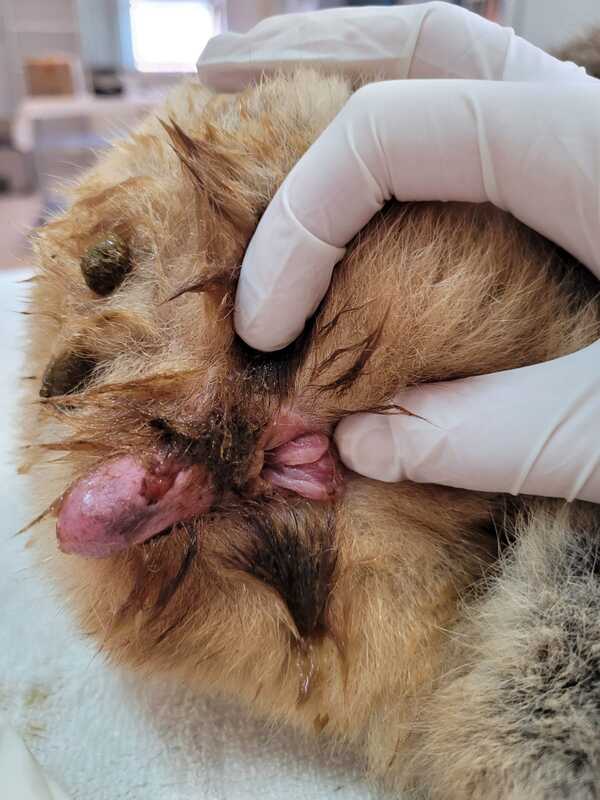
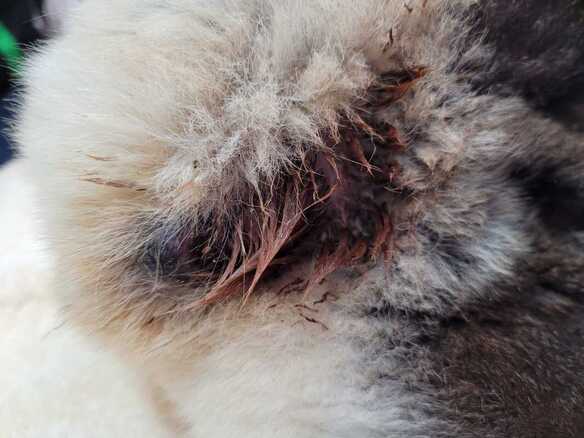
  • Cystitis and urethritis – inflammation of the bladder and urethra.  This lower urinary tract disease can cause pain and discomfort on urination and lead to urinary leakage, creating fur staining and ulceration of the koala’s skin around its rump. The staining, discolouration and ulceration of the skin on the koala’s rump is a syndrome known as “wet bottom”.
  • Reproductive tract changes – uterine and ovarian in females, prostatic and testicular in males. These disease processes can not only be very painful and cause significant discomfort in koalas, but it can also lead to infertility in both female and male koalas.
 
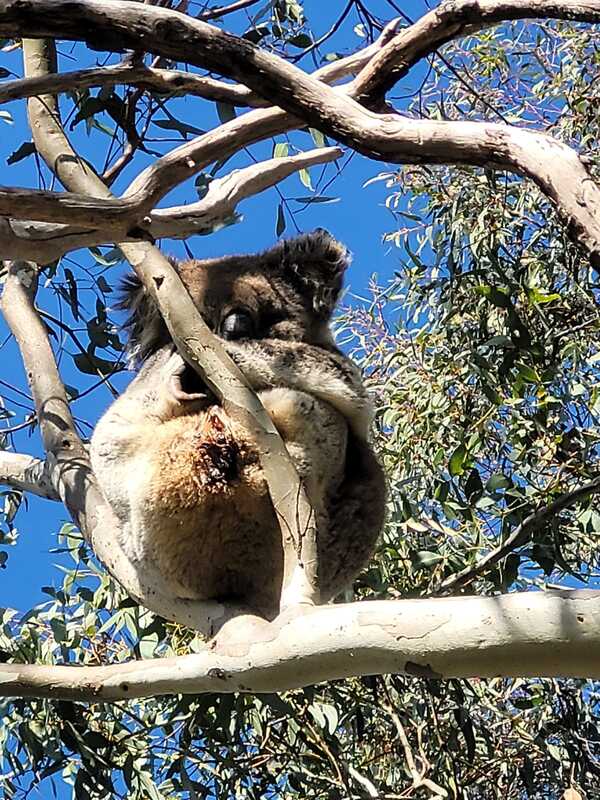
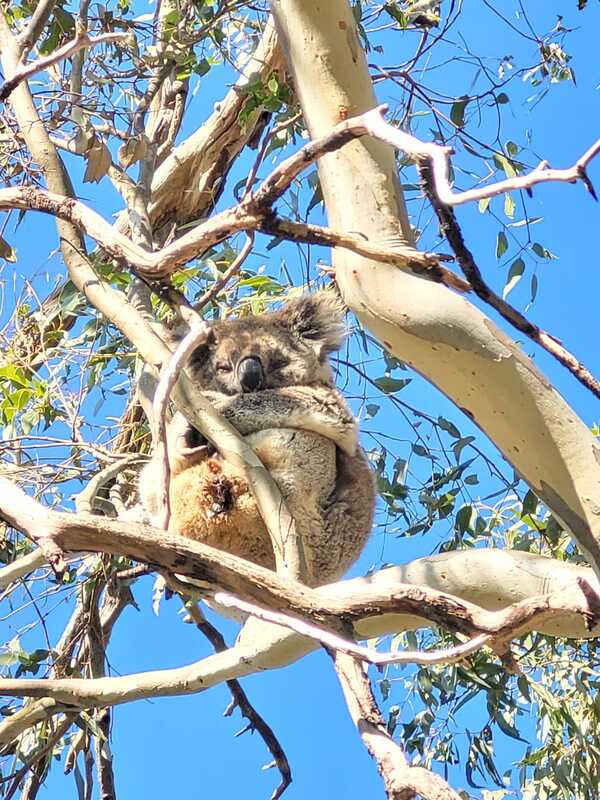
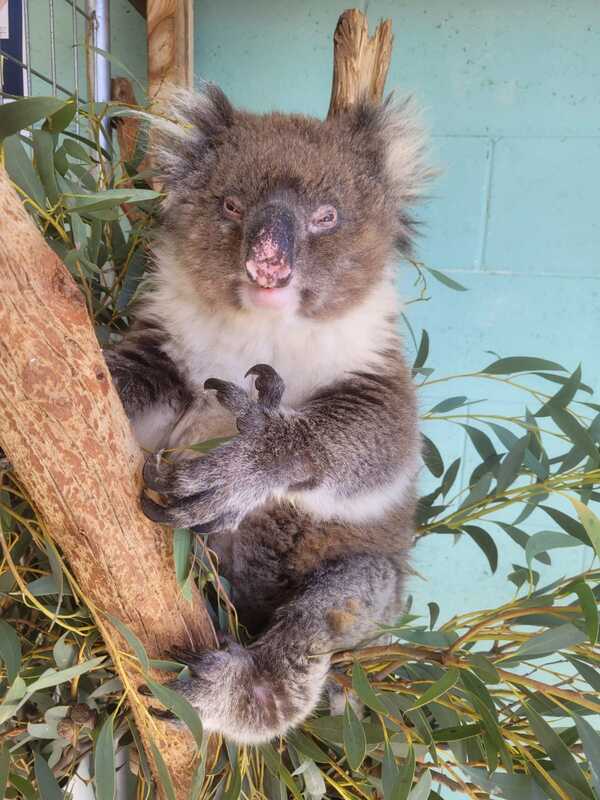
Koalas with chlamydial infections can be seen up in trees or sitting on the ground, depending on the severity of their disease. Distinctive things to look out for are the darker brown and stained rumps or squinting and inflamed eyes (top image)

Below are close-up images of the signs of chlamydia in koalas (images are of recent patients treated here at the Adelaide Koala & Wildlife Centre)

Sometimes, very unwell koalas will come to the ground.  To find out what to do if you find a koala on the ground, read our story on what to do and when to call for help.  Early action can save lives.
Koalas with chlamydia in wild
Learn more about chlamydia from Adelaide koala vets
Adelaide Koala and Wildlife chlamydia patient
Chlamydia symptoms in koalas at Adelaide Koala and Wildlife Centre

Do all koalas have chlamydia?

No - Not all koalas are infected with chlamydia, but it is a very common disease in many groups of koalas throughout Australia.

The level of chlamydia infection can vary from area to area, with some areas having a relatively low rate of infection and other areas having a much higher rate.

Chlamydia is an infection caused by the bacterium Chlamydia pecorum and is transmitted from koala to koala through close contact, such as during mating and from mother to baby. While some koalas may be infected with chlamydia without showing any symptoms, others can suffer from serious health problems like eye infections, urinary tract infections, and infertility.

Studies have reported infection rates ranging from 0% up to nearly 90% in different populations, with clinical disease present in a smaller proportion of animals . 

How is chlamydia tested in koalas?

​
Testing for chlamydia in koalas is typically performed using molecular diagnostic techniques, most commonly polymerase chain reaction (PCR).

At the Adelaide Koala & Wildlife Centre swab samples are collected from key anatomical sites such as the eyes (ocular swabs) and urogenital tract, where infection is most likely to be present.  At our vet clinic for Adelaide's koalas we do this while the koala is under light sedation to prevent any pain or stress.

DNA is then extracted from these samples and analysed using species-specific quantitative PCR (qPCR) assays to detect Chlamydia pecorum, the primary pathogen affecting koalas. This method is highly sensitive and allows for both detection and estimation of pathogen load, even in subclinical cases.

In some situations, non-invasive samples such as faecal material (scats) may also be tested using PCR, although swab samples remain the gold standard for clinical diagnosis.  PCR swabs are our preferred method at Adelaide Koala & Wildlife Centre (as at February 2026).

We do currently need funding for in-clinic diagnostics for chlamydia in koalas - to support our care and treatment of koalas with chlamydia, donate here.  Help us help more koalas.

How is chlamydia treated in koalas? And do they recover?


After diagnosis of chlamydial infection occurs, the vet team at Adelaide Koala and Wildlife Centre need to fully assess the extent of the infection and any other illnesses or problems the koala has to determine the suitability for treatment.

Our vet team conducts:
​
  • ultrasonography of the bladder and reproductive tract
  • blood tests for concurrent renal or other disease
  • physical examination for dental disease and body condition
 
After establishing that it is in the best interest of the koala to treat their infection, the koala will receive antibiotics with close monitoring for a period of time (standard treatment time is 28 days but can go longer - it depends on the patient and the success of the treatment).  Hopefully ending with releasing the koala free from infection, back into the Adelaide hills or surrounding suburbs.

You can support our free wildlife veterinary care by donating to Adelaide wildlife here.
At the Adelaide Koala & Wildlife Centre, treatment of chlamydia in koalas typically involves the use of antibiotics, most commonly chloramphenicol or doxycycline.

While these medications can be effective in reducing infection, treatment must be carefully managed due to the koala’s highly specialised gut microbiota, which is essential for digesting eucalyptus leaves.  Antibiotics can upset this delicate balance, potentially leading to reduced appetite, gastrointestinal issues and, in severe cases, life-threatening complications. This then requires additional vet treatment to manage. 

For this reason, each koala is closely monitored by our veterinary team, with supportive care provided to help maintain gut health and overall condition throughout treatment. We see koalas in treatment weekly and provide close monitoring in conjunction with their individual carers.

The koalas after their treatment is concluded with us, are tested again by PCR to see if the chlamydia is still present.  If the tests show that the chlamydia is not present anymore, our vet team will then recommend the release to the wild of the koala. Sometimes, the treatment fails and our clinic will continue the antibiotic treatment.   

​So yes, many koalas who undergo treatment DO recover enough to return to the wild. 

​Some koalas during the treatment phase, deteriorate due to complications.  When this happens at our clinic, the vets will determine the next step and if treatment should continue.

Our vet clinic here in South Australia treats many koalas for all diseases and we need your help to make this happen. Donations go towards funding medications, consumables, diagnostics and equipment.  
​

Chlamydia affects up to 90% of some koala populations

Right now we need funding for in-clinic chlamydia diagnostics. Your donation directly funds testing and treatment for koalas in Adelaide and across South Australia.

Fund Koala Treatment Today

Tax deductible · DGR registered charity · ABN 74 834 255 299

Are all koalas suitable for chlamydia treatment ?


Not all koalas are suitable for treatment for chlamydia. In advanced or severe cases, prognosis for recovery is very poor, and co-morbidities may exist.  When there is significant organ involvement and/or the koala may not be able to survive in the wild and suffering will occur if released, treatment may not occur.

From a clinical and welfare perspective, our vets' decisions must consider both the likelihood of recovery and the animal’s long-term quality of life. In some cases, despite all available interventions, ongoing suffering cannot be avoided. In these situations, our wildlife veterinarians are required to prioritise animal welfare and make the difficult decision to prevent further suffering. It is never an easy decision, but it is an essential part of responsible wildlife care.

What happens if chlamydia in koalas is not treated?


​If chlamydia is left untreated in koalas, the infection can progressively worsen and lead to serious, often irreversible health complications.  If symptoms progress significantly, a koala can have debilitating pain and suffering.
Picture

Can humans catch chlamydia from a koala?


​Humans cannot catch chlamydia from koalas. The strain commonly found in koalas, Chlamydia pecorum, (which we have discussed above) is different from the species that infect humans, and current peer-reviewed research shows no evidence of transmission between koalas and people - this is one of the most common questions we get asked as koala vets!

While some Chlamydia species are known to be zoonotic, those affected koalas are not considered a risk to human health. As with all wildlife handling, basic hygiene is recommended, but from a clinical and scientific perspective, koala chlamydia is not transmissible to humans.  Patting or holding a koala will not give you chlamydia.  This is a popular misconception and there have been no cases of transmission to humans.  

You will not get chlamydia if a koala urinates on you.


To learn more key facts, not myths, about koalas, read our page on koala facts such as what do they eat, are they drunk on leaf, and more.  

Koalas we have treated successfully for chlamydia


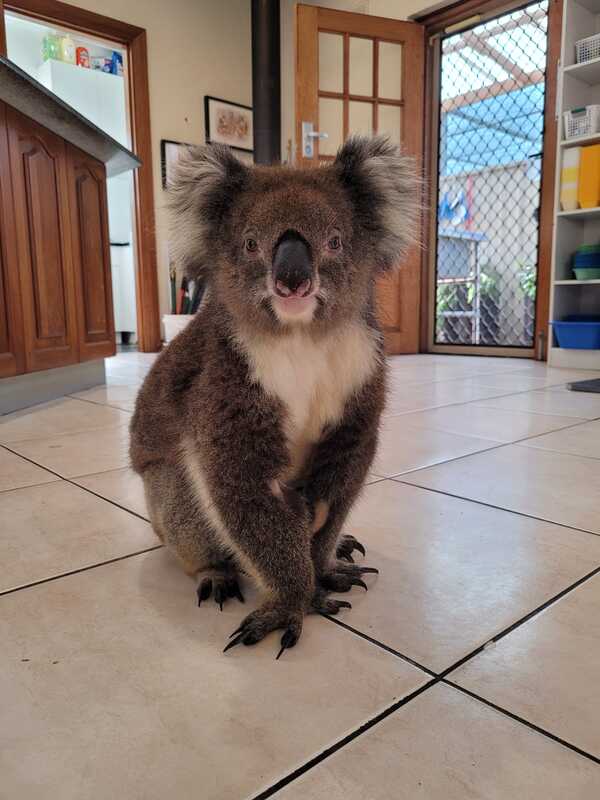
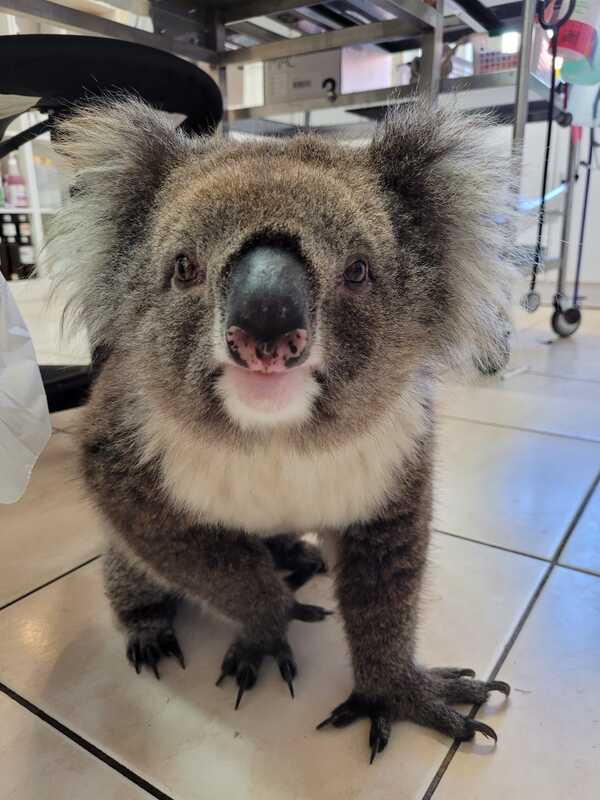
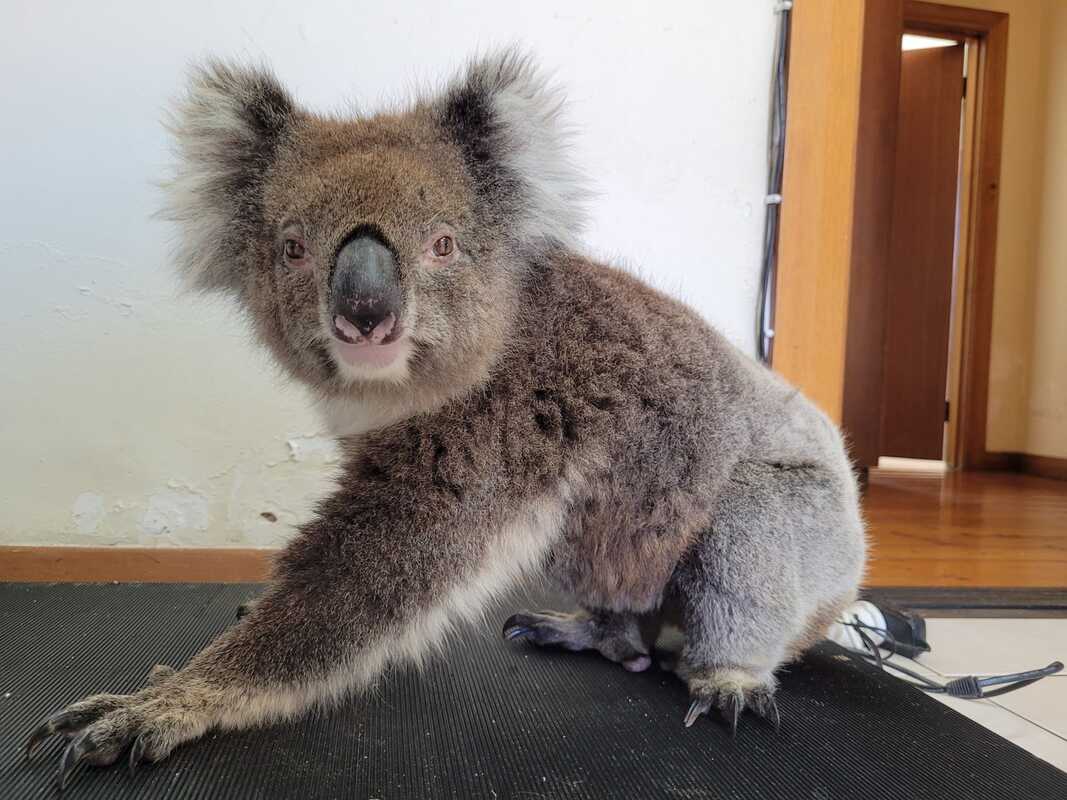
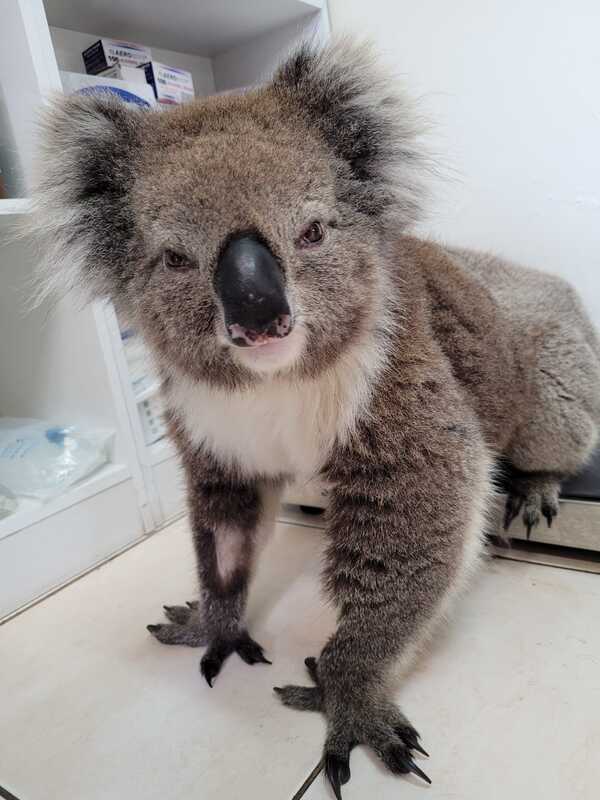
Below are some of our chlamydia koalas, we have successfully treated and now released to the wild.  They have a second chance thanks to the vet treatment provided at our clinic.  If this is something you would like us to keep doing, donate to wildlife care today and help give koalas the best chance of returning to the bush.


Every koala we treat is given a chance because someone chose to help.   Your support allows us to continue providing the care they cannot survive without  - please give generously if you can.
Zara koalas being treated for chlamydia
Zara - released to wild after 4 weeks of treatment. (2026)
Koala patient adelaide koala and wildlife centre
adelaide koala chlamydia treatment
adelaide koala wildlife centre donations needed

Adelaide's Wildlife Needs You

Since 2014 we have provided free professional veterinary care to over 15,000 native animals. Five days a week. Every donation funds lifesaving treatment for koalas and wildlife across South Australia.

Donate Today and Save a Life

Tax deductible · DGR registered charity · ABN 74 834 255 299

Follow us for wildlife updates


​This project has been made possible with funding and assistance provided from the Government of South Australia through the Department for Environment and Water.
Proudly powered by Weebly
  • Home
  • About
    • Meet the Team
    • Our Services
  • Donate to Wildlife In Adelaide
    • Donation FAQ
  • Wish List - What We Need
  • Resources and News
    • Koala Information >
      • Found a Koala? What to Do and When to Call for Help in South Australia
      • What do koalas eat
      • Koalas and Dog Attacks
      • Koala Chlamydia: Testing, Treatment & Risks Explained
      • Koala Facts Explained: Diet, Sleep, Lifespan & Behaviour
      • Koala Kidney Disease
      • Koalas and Hot Weather
      • Koalas and Water
    • Found a Possum? What to do
    • Bird Information >
      • Beak and Feather Disease - What is it?
      • How to help a baby bird
  • Contact Us
    • Contact Details
    • Support Wildlife Veterinary Equipment | Corporate Partnership Adelaide
  • Volunteering
  • Press Releases